
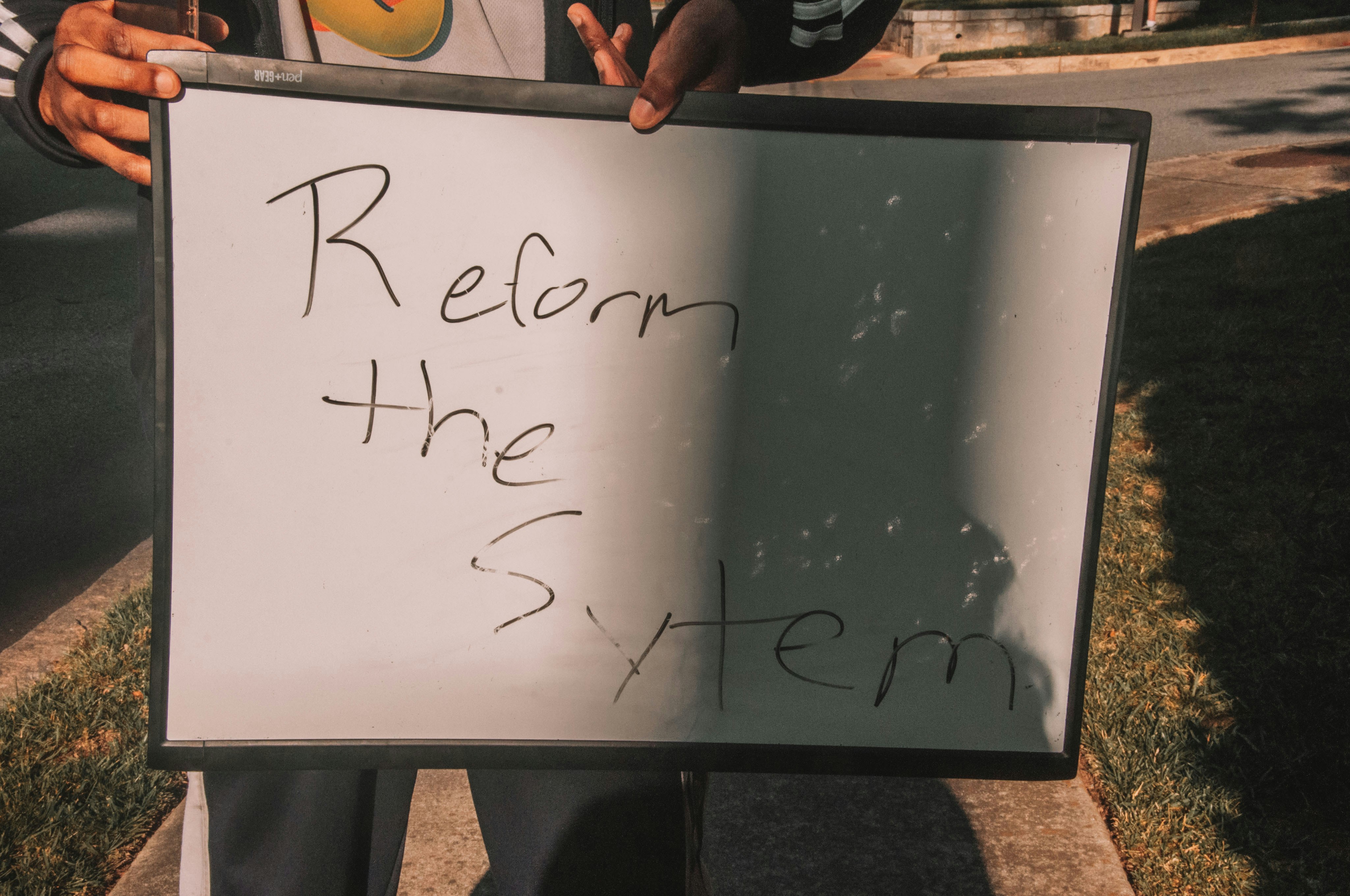
Understanding the Importance of Social Reform
Social reform plays a pivotal role in shaping equitable societies and fostering conditions where all individuals, particularly the younger generation, can thrive. It encompasses various systemic changes aimed at addressing social inequalities and injustices that affect people’s fundamental rights to education, healthcare, and security. Historical contexts provide insight into social reform’s evolution, illustrating the shifts in societal values and norms that have prompted transformative actions throughout time.
Historically, movements advocating for social reform have proven essential in combating widespread challenges such as poverty, discrimination, and lack of access to essential services. For example, the Progressive Era in the early 20th century in the United States encapsulated a time when the necessity for reform was widely recognized. Reforms during this period laid the groundwork for regulations that improved labor rights, expanded educational opportunities, and enhanced public health standards.
In contemporary contexts, social reform remains crucial, particularly regarding the challenges faced by the youth today. Discrepancies in access to education and healthcare continue to present obstacles for countless children globally. According to the World Bank, approximately 60% of children in low-income countries do not meet basic learning standards, highlighting an educational crisis with long-term implications. Additionally, health disparities are significant; the World Health Organization reports that children from disadvantaged backgrounds are at a greater risk of malnutrition and inadequate healthcare services.
Through social reform initiatives, communities can address these stark inequalities, creating environments conducive to growth and opportunity. Ensuring equitable access to quality education and healthcare is not merely a charitable endeavor; it is a fundamental right that must be protected for future generations. Addressing these issues today is vital, as they will undoubtedly influence the societal landscape of tomorrow.
Current Challenges Facing the Next Generation
Today, the youth are grappling with a multitude of challenges that significantly hinder their abilities to not only survive but also thrive in an increasingly complex world. Chief among these challenges is poverty, which affects millions of children globally. Poverty manifests not only as a lack of financial resources but also impedes access to essential services such as education, nutrition, and healthcare. These fundamental rights are pivotal for the development and well-being of the next generation.
Moreover, mental health issues have emerged as a significant concern for today’s youth. Reports indicate that anxiety, depression, and other mental health disorders are on the rise, exacerbated by societal pressures, economic instability, and, perhaps most significantly, the impact of technology on social interactions. The stigma surrounding mental health often dissuades young individuals from seeking help, leaving them vulnerable and isolated. This emotional distress can severely jeopardize their prospects and overall quality of life.
Environmental concerns also loom large as a pressing issue. Climate change poses a direct threat to the well-being of future generations, affecting everything from air quality to food security. Young people are increasingly aware of and alarmed by these environmental realities, as they will bear the brunt of ecological neglect perpetuated by preceding generations. The destructive consequences of climate change could undermine their rights to a safe and healthy environment, drastically limiting their opportunities to achieve their potential.
These challenges—poverty, mental health issues, and environmental concerns—create a complex interplay of barriers that threaten the fundamental rights of young individuals. Real-life experiences, such as those of families struggling to provide basic needs or children facing emotional challenges, illuminate the urgent necessity for effective social reform. These societal issues warrant immediate attention to ensure that the next generation can realize their right to survive and thrive in a more equitable and supportive environment.
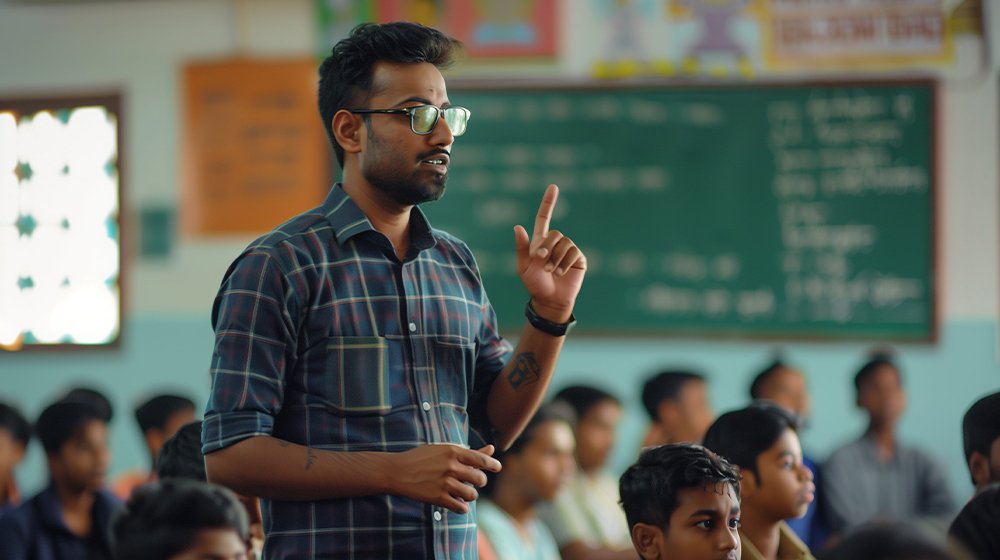
Key Organizations and Movements in Social Reform
Various organizations and movements are dedicated to social reform efforts that focus on safeguarding children’s rights and ensuring their future well-being. Notable among these is the United Nations Children’s Fund (UNICEF), which plays a critical role in promoting education, healthcare, and protection from violence and abuse. Through partnerships with governments and non-profits, UNICEF implements initiatives globally to improve the lives of children, emphasizing the importance of survival and development.
Another significant movement is the Global Partnership for Education, which aims to strengthen education systems in the poorest countries. This organization provides funding and resources to enhance educational opportunities, particularly for marginalized children. Their work focuses on critical areas such as girls’ education and inclusive learning environments, empowering children to thrive academically and socially.
In the realm of healthcare, Save the Children stands out for its commitment to ensuring children have access to essential medical services. This organization mobilizes resources to respond to health crises and promote child health programs, addressing preventable illnesses through vaccination campaigns and nutritional support. By advocating for policies that prioritize children’s health, Save the Children contributes significantly to their overall development.
Environmental sustainability is also a crucial aspect of children’s rights advocacy. Organizations like Earth Guardians engage youth in environmental conservation efforts, teaching them the importance of protecting their planet for future generations. Through educational initiatives and grassroots activism, Earth Guardians empowers young people to take action against climate change, ensuring their voices are heard in the global dialogue on sustainability.
These organizations exemplify the collaborative effort needed to drive social reform strategies focused on protecting children’s rights and fostering a safe, sustainable environment. By supporting education, healthcare, and environmental initiatives, they contribute to a brighter future for the next generation.
Taking Action: How Individuals Can Contribute to Social Reform
Engaging in social reform is crucial for ensuring that future generations have the opportunity to survive and thrive. Individuals can play a paramount role in this movement through various practical actions. One of the most immediate ways to contribute is by volunteering. Many organizations focus on children’s rights and social welfare, and they often require the support of dedicated volunteers. Whether it’s through tutoring, mentoring, or providing direct support in shelters and food banks, every small effort counts towards creating a substantial impact.
Advocacy is another vital component of social reform. Individuals can raise awareness about pressing issues affecting children and families in their communities. This can be done by attending town hall meetings, participating in community forums, or even starting online campaigns. By voicing concerns and pushing for policy changes, individuals can influence decision-makers to prioritize children’s rights in legislation. Joining or supporting grassroots movements is also an effective way of amplifying one’s voice in the quest for social justice.
Moreover, supporting non-profit organizations that align with one’s values is an effective means of contributing to social reform. This support can be financial or involve offering professional skills and resources. By collaborating with these organizations, individuals can help to strengthen programs that focus on ensuring children’s sustainable development, thus safeguarding their rights to survive and thrive.
It is equally important for individuals to stay informed about policies that affect children and families. Engaging with local news, participating in discussions, and educating oneself and others about current reforms enables informed activism. By fostering a sense of community engagement, individuals can collectively elevate the discourse on children’s rights and the necessary reforms to protect them.