
Our Story Begins with A Single Light
Discover the journey of ASRRA and our mission to bring enlightenment through research and advocacy
It wasn’t the founding of ASRRA in 2025 that marked the beginning. That was just paperwork.
The real beginning? It was a quiet afternoon six years earlier, near the Shani Temple in Bhubaneswar. Deepak stood beneath the banyan tree, watching shadows stretch across the pavement. A beggar approached—dusty, silent, eyes like forgotten wells. Deepak handed him ₹500 without a word. No sermon. No expectation.
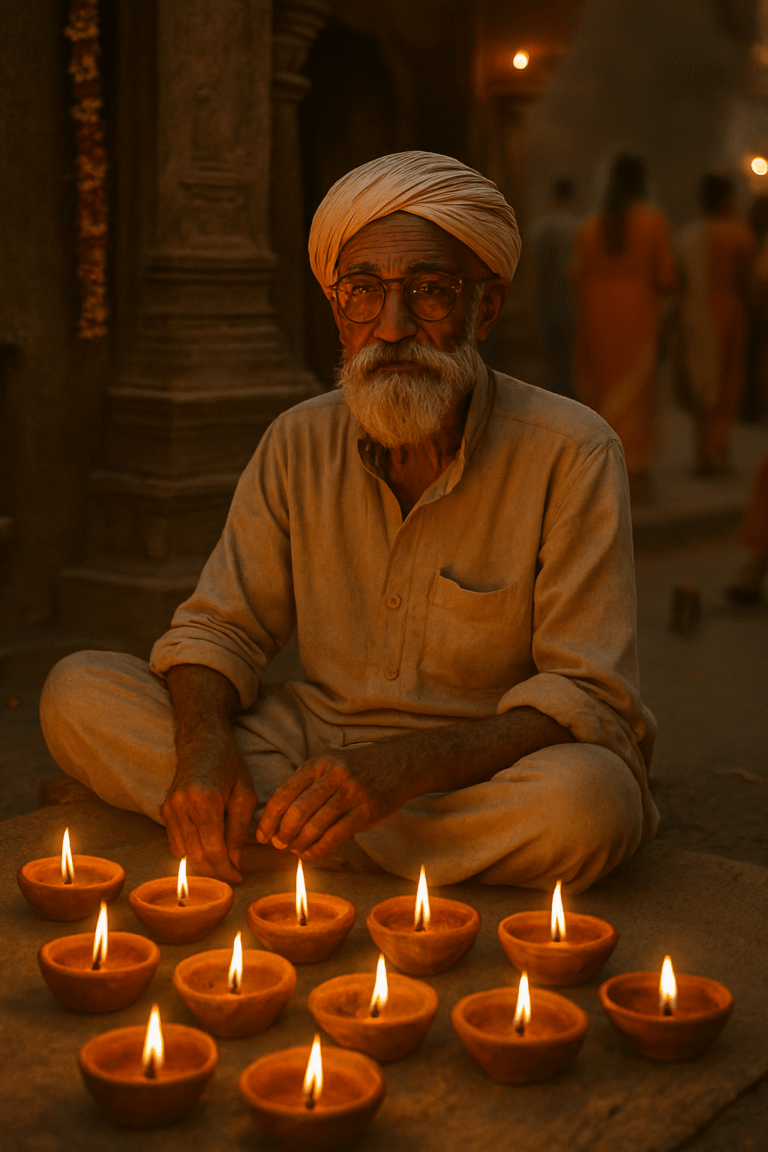
A week later, Deepak passed the same temple and saw a man selling clay diyas—small, sun-baked lamps—for ₹2 each. The man’s clothes were cleaner, his posture straighter. He smiled at every passerby, offering light in exchange for coins.
Deepak didn’t recognize him at first. But something in the way he arranged the diyas—like placing stars on the ground—caught his attention. So he watched. For three weeks, he returned, always from a distance. The man never begged again. He only smiled and sold light.
And then, one day, he was gone.
Deepak didn’t search for him. Not because he didn’t care—but because he understood. The story wasn’t about the man. It was about the moment. A single act of kindness had sparked a quiet revolution. No fanfare. No headlines. Just a diya lit in the dark.
That was the seed.
ASRRA grew from that silence. From the belief that change doesn’t always roar—it sometimes whispers through clay lamps and second chances.
Our Initiatives

Food Distribution
No one sleeps with an empty stomach. We provide nutritious meals to those in need, especially near religious areas where people often gather seeking solace.

Cloth Distribution
We distribute clothing to protect people from the elements and help them maintain dignity, recognizing that basic needs must be met before higher pursuits.

Shelter for the Homeless
We provide safe shelter for those without homes, creating spaces of protection and community that serve as stepping stones to brighter futures.

Plantation & Green Earth
We organize tree plantation drives and environmental awareness campaigns, recognizing our responsibility to protect and nurture our planet.
Our Mission & Vision

Research
To conduct rigorous, ethical research into supernatural phenomena, separating fact from fiction through scientific inquiry and evidence-based analysis.

Advocacy
To reform public understanding and policy regarding supernatural experiences, promoting compassion and rationality in place of fear and superstition.

Enlightenment
To illuminate the path between skepticism and belief, fostering a society where supernatural experiences are neither dismissed nor exploited.
The Flame That Spread
ASRRA didn’t begin with a manifesto. It grew in the spaces between conversations—over chai, under flickering tube lights, and in the silence that follows a story that hits too close to home.
Bighneswar was the first to notice. He saw Deepak sketching a poster during lunch—a diya beneath a cracked sky. “That’s not just art,” he said. “That’s a warning.” He brought his camera the next day and began documenting Bhubaneswar’s forgotten corners. His lens became ASRRA’s eyes.
Dolagobinda followed. He was the wordsmith, always scribbling in his notebook. One day, Deepak found a folded page on his desk: “If a diya can light a home, maybe a story can light a mind.” Dolagobinda’s scripts didn’t preach—they invited. His words gave ASRRA its rhythm.
Manoj was the strategist. He saw potential in participation. He designed ASRRA’s first public challenge: Ten Days, Ten Acts of Kindness. It spread through colleges like wildfire. Students lit diyas, planted trees, and donated books. Manoj made ASRRA move.
Rajesh was the connector. He knew the pulse of the districts—teachers, ward officers, local changemakers. He turned ASRRA into a bridge, ensuring every grassroots whisper had a microphone. “If we don’t listen,” he said, “we’re just shouting into the wind.”
And then came Shakti—the youngest, the most restless. He didn’t join with words. He joined with questions. “What difference does ₹500 make?” he asked. Deepak told him the diya story. Shakti didn’t reply. But the next weekend, he skipped his cricket match to help clean the temple grounds. He brought gloves, a broom, and a playlist of Odia folk songs. He danced while sweeping. He laughed with strangers. He turned service into celebration.
Shakti didn’t just join ASRRA. He recharged it. His energy reminded everyone that change isn’t always solemn—it can be joyful, rebellious, young. He turned every campaign into a celebration—where folk songs met street sweeps and laughter echoed louder than slogans. He challenged the old rhythms, asking not just why, but why not now? In his wake, others followed—not out of duty, but because joy had made the cause irresistible.